
Choosing among senior living communities can feel overwhelming for families. Many people begin by comparing room size, pricing, or location. However, those factors alone rarely tell the full story.
Instead, families should take a closer look at the everyday experiences residents enjoy. From dining and wellness programs to staff relationships and community culture, these elements shape daily life. By considering these often-overlooked factors, families can make a more confident decision for their loved ones.
Below are several important aspects families sometimes miss when evaluating senior living options.
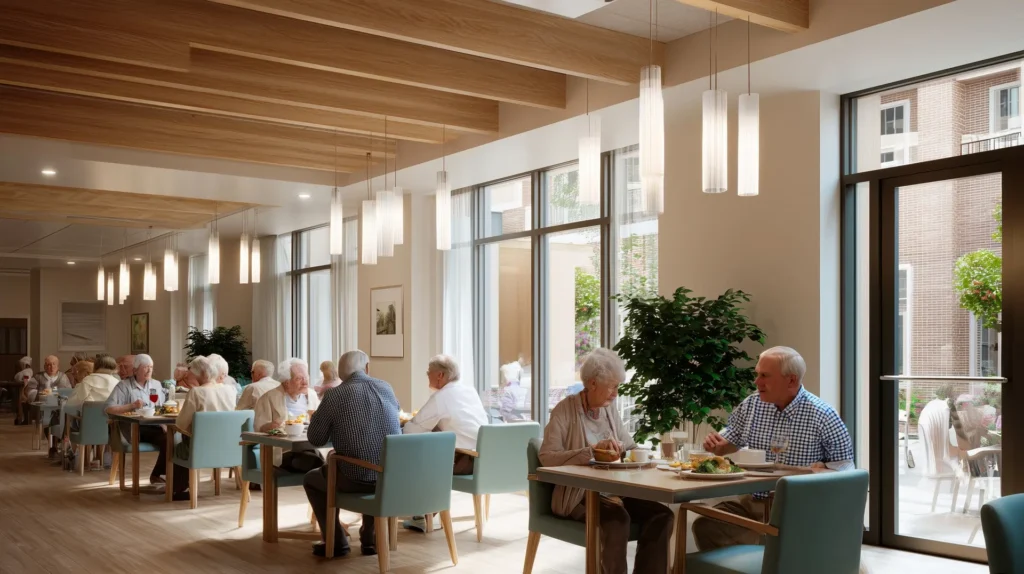
1. Community Culture and Resident Engagement
First, consider the culture of the community. Every senior living environment has its own personality. Some feel lively and social, while others focus on quiet comfort.
When touring communities, observe how residents interact with staff and each other. For example, do residents gather for activities or meals together? Are staff members friendly and familiar with residents by name?
At Cranberry Skilled Nursing in Cranberry Township, PA, the goal is to foster a welcoming environment where residents feel respected, supported, and connected. A strong sense of community can significantly improve quality of life.
2. Consistency of Staff and Care
Next, families should evaluate the consistency of caregiving staff. Continuity of care helps residents build trust with caregivers. As a result, staff members become more familiar with individual needs and preferences.
Ask about staff retention and caregiver-to-resident ratios. Also, notice how staff members communicate with residents during your visit.
Stable staffing often leads to better care, stronger relationships, and greater peace of mind for families.
3. Dining Experience and Nutrition
Another factor families often overlook is senior living dining. Meals are not simply about nutrition. Instead, they are an important social experience that residents enjoy daily.
During a tour, ask to see sample menus or visit the dining room during a meal. Look for variety, fresh ingredients, and options that meet different dietary needs.
Many communities, including Cranberry Skilled Nursing, prioritize balanced meals that support both nutrition and enjoyment. After all, good food plays a major role in overall happiness and health.
4. Wellness Programs and Activities
Equally important are senior wellness programs. These programs support physical health, mental stimulation, and emotional well-being.
Look for a community that offers activities such as exercise classes, social events, educational programs, or creative workshops. Additionally, ask how often these programs occur and whether residents help shape the activity calendar.
A strong wellness program encourages residents to stay active, engaged, and connected with others.
5. Long-Term Flexibility of Care
Finally, families should consider how a community supports residents over time. Needs often change as people age, so flexibility of care becomes essential.
Ask what services are available if a resident requires additional support in the future. Communities that offer comprehensive care options help residents remain in a familiar environment as their needs evolve.
This approach can reduce stress and provide greater stability for both residents and their families.
A More Thoughtful Way to Compare Communities
In conclusion, comparing senior living communities requires more than reviewing price or floor plans. Culture, staff relationships, dining experiences, wellness programs, and long-term care flexibility all contribute to a resident’s daily quality of life.
Families who look at these deeper factors often feel more confident about their decision.
If you are exploring options in Cranberry Township, Pennsylvania, the team at Cranberry Skilled Nursing is happy to help guide you through the process.
📞 Call (878) 217-8258 or visit cranberryskillednursing.com to learn more.
Download our Family Decision Guide to help you evaluate senior living communities with confidence.